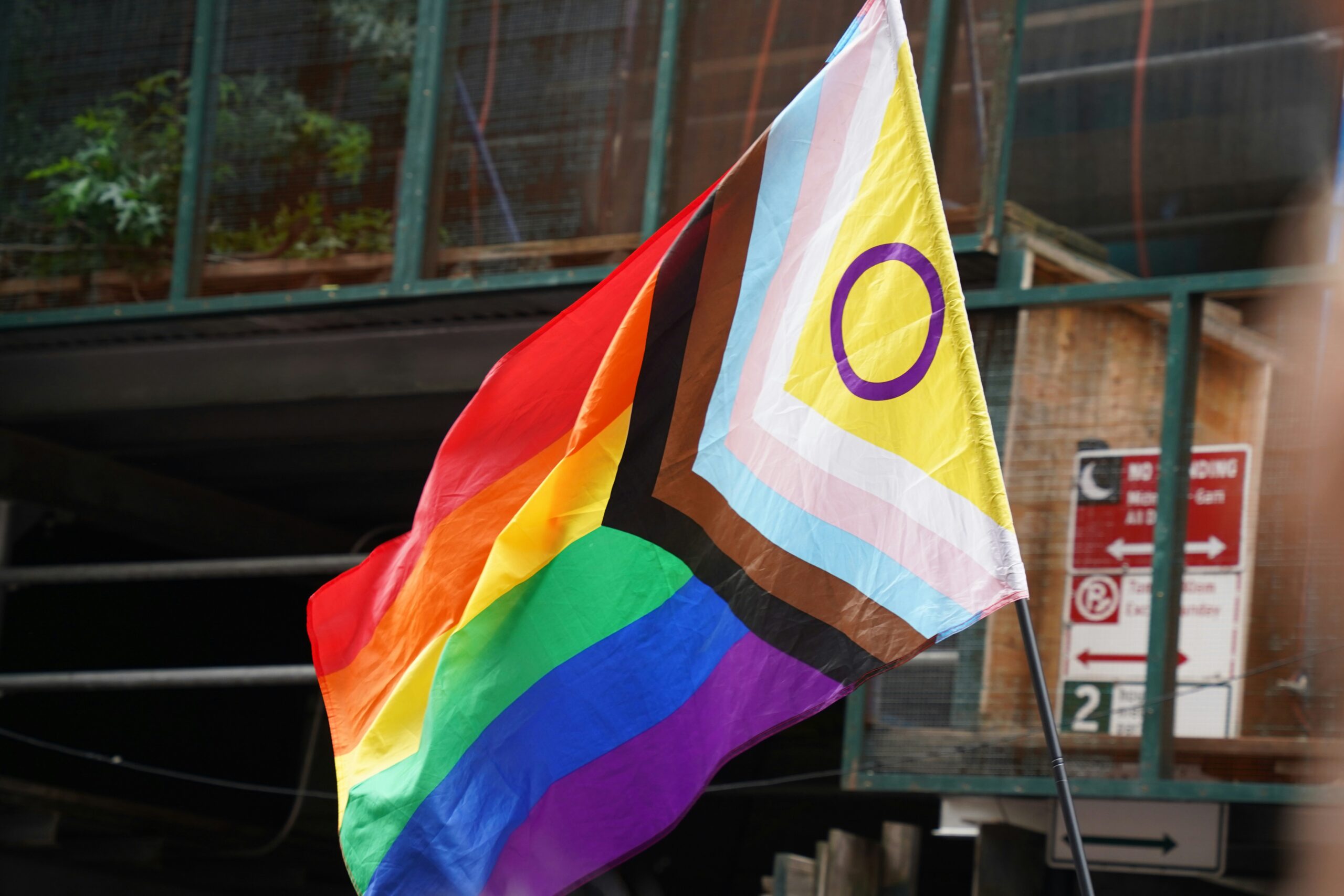
Every June, communities across Canada celebrate Pride Month. We attend events, raise flags, share messages of support, and recognize the contributions of 2SLGBTQIA+ people in our workplaces, neighbourhoods, and communities.
And we should.
But Pride was never intended to be only a celebration – take action.
Pride grew from resistance. It came with the refusal of marginalized people to accept discrimination, criminalization, violence, and exclusion as the price of being themselves. It was a demand for dignity, safety, equality, and the right to exist openly and authentically.
That history matters because it reminds us that the rights and freedoms many of us enjoy today were not simply granted. They were fought for. They were demanded. And they continue to require protection.
In Canada, it can be tempting to look south of the border and tell ourselves that things are different here. We often see ourselves as more progressive, more inclusive, and more accepting. In many ways, we have made significant progress.

But comparing ourselves to others can stop us examining ourselves honestly.
The reality is that we are seeing many of the same forces at work as in other parts of the world. Across Canada, governments and political leaders have questioned protections for transgender and gender-diverse people, debated whether young people should have access to affirming and supportive care, and treated the identities and rights of such people as matters for public debate rather than matters of human dignity.
It would be easy to dismiss these developments as someone else’s problem. It’s something happening in another country. It’s something happening in another province.
But rights are rarely lost all at once.
They are often eroded gradually through fear, misinformation, political opportunism, and public complacency. Human rights become weakened when we stop paying attention. When we decide an issue doesn’t affect us. When we let comparison do the work that empathy should.
The lesson for Nova Scotia is not that we are better.
The lesson is that we are not immune.
I have spent much of my career working alongside people whose voices are too often excluded from the decisions that shape their lives. What I have come to understand is that the same forces that push 2SLGBTQIA+ people to the margins also push others to those same margins. They are the forces that push people living in poverty to the edges of society. They are the forces that exclude people with disabilities, newcomers, Indigenous peoples, and others whose lived experiences are frequently missing from the conversations that affect them most.
The specifics may differ, but it is a pattern that endures.
A group is portrayed as a problem.
Their rights become a debate.
Their humanity becomes conditional.
And harm follows.
That is why Pride Month matters.
Not because it gives us thirty days to focus on inclusion, but because it reminds us of a responsibility that exists every day of the year.
The work of challenging discrimination does not begin and end in June.
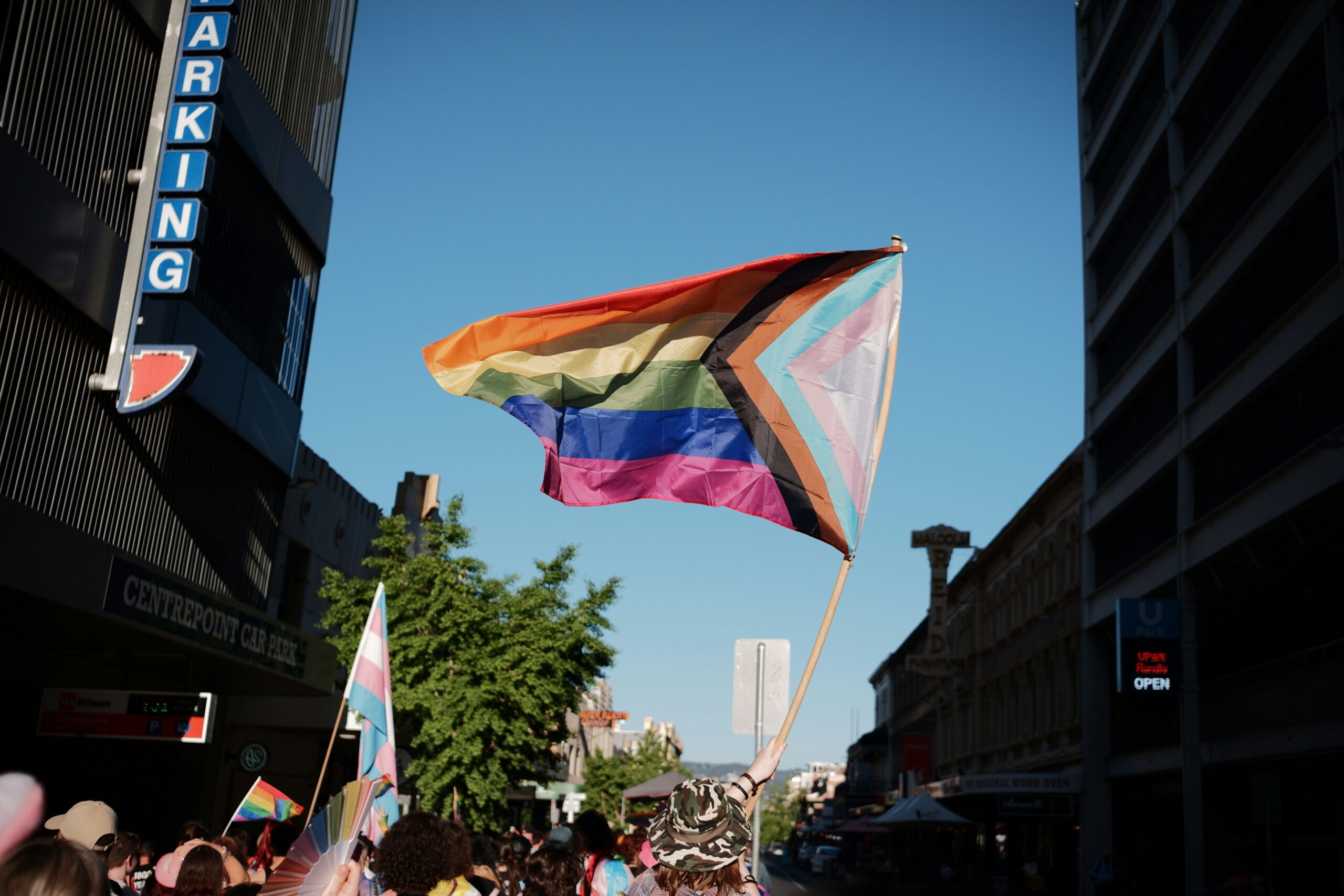
The work of creating inclusive communities does not begin and end with a rainbow flag.
The work of protecting human rights does not begin and end when governments threaten them.
It is ongoing. It is daily. It requires intention. And it requires courage.
For those of us who hold leadership roles this responsibility is even greater.
For those of us who hold leadership roles—whether in organizations, businesses, governments, volunteer groups, or our communities—this responsibility is even greater.
Leadership is not simply about managing resources, setting priorities, or making decisions. It is about inspiring movement toward a vision.
Leadership is about asking whose voices are missing.
It is about recognizing who will be affected by our decisions and ensuring that they are part of shaping them.
It is about creating spaces where people feel safe enough to be themselves and empowered enough to be heard.
And it is about understanding that neutrality is rarely truly neutral. When the rights, dignity, and safety of people are under attack, choosing not to engage IS a choice. One that confirms the status quo and benefits those who already hold power.
Pride calls us to do better than that.
It calls us to listen.
It calls us to learn.
Pride calls us to challenge injustice when we encounter it.
It calls us to support policies and leaders that strengthen equity and inclusion rather than weaken it.
And it calls us to stand alongside those who are being harmed—not only when it is easy, but especially when it is not.
The strength of a community is not measured by how it treats the people with the most power. It is measured by how it treats those who are pushed to the margins.
So yes, celebrate the love, identity, resilience, community, and progress of Pride. And be reminded that inclusion is not an event. Equality is not a destination. And justice is not something we achieve once and then set aside.
It is work.
Important work.
Necessary work.
And it belongs to all of us.
This piece is written from Mi’kma’ki, the unceded territory of the Mi’kmaq People. The fight for dignity and self-determination that Pride represents is inseparable from the ongoing resistance of Indigenous peoples on this land.
Trish McCourt, RSW is a consultant supporting non-profit/community organizations with leadership transition, organizational development, and advocacy. She has spent over 30 years working in community services, including eight years in strategic leadership with nonprofit organizations in Nova Scotia.
Drop me a comment below and/or follow one of my social media channels.